Poverty continues to pose major challenges to HIV prevention efforts, with poverty being both a cause and effect of HIV:
Poverty often leads to a day-to-day outlook on life, focused on survival. In these circumstances, people are less concerned about engaging in risk behaviour and less motivated and equipped to protect themselves from HIV.
Poverty increases the vulnerability to the progression of HIV due to the lack of access to resources, services and good nutrition.
In turn, HIV impoverishes people, as it reduces their ability to work and earn an income, while their expenditures increase due to medical care costs.
At macro level, HIV causes impoverishment through the loss of human capital. This is not only a result of direct labour force losses. It also causes lost capacity to develop and utilize the human capabilities needed for social and economic development in a country. For instance, children in HIV-affected households face multiple challenges in their access to schooling.
How economic empowerment programes work
The starting point for economic empowerment programs is to provide access to financial products and resources, such as credit, savings and employment. Economic assets can increase economic security, self-esteem and enhance long-term planning. This has a positive influence on a person’s attitudes about risk behaviour.
However, economic empowerment requires more than just access to resources. The person accessing them must also have the authority and opportunities to control and use those resources. Programs that provide skills building such as business planning, management, communication and negotiation skills, can lead to increased autonomy and decision making. Participation in group-based programs also has the effect of reducing isolation and building social capital.
In the context of HIV, the assets, skills and social connections forged by economic empowerment programs can help lower vulnerability to HIV both in terms of reducing risks and building resilience.
Our Vision
We envision a world free of the HIV/AIDS pandemic by 2030 and Community economic empowerment to end poverty.
Our Mission
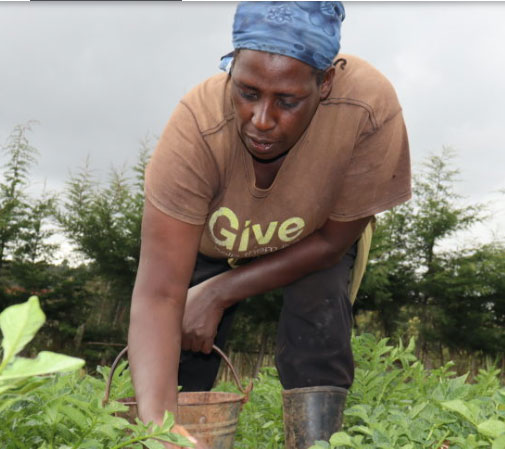
To end HIV/AIDS by providing comprehensive interventions-HIV/AIDS awareness and prevention, treatment and Care, Testing and Counselling, etc and by economically empowering communities, especially, youth and women with skills and vocational training so that they can successfully and sustainably run income generating projects (IGPs) for self-sustenance, thereby alleviation poverty.