HIV is a preventable disease.
Reduce the risk of HIV infection by:
using a male or female condom during sex
being tested for HIV and sexually transmitted infections
having a voluntary medical male circumcision
using harm reduction services for people who inject and use drugs.
Doctors may suggest medicines and medical devices to help prevent HIV, including:
antiretroviral drugs (ARVs), including oral PrEP and long acting products
dapivirine vaginal rings
injectable long acting cabotegravir.
ARVs can also be used to prevent mothers from passing HIV to their children.
People taking antiretroviral therapy (ART) and who have no evidence of virus in the blood will not pass HIV to their sexual partners. Access to testing and ART is an important part of preventing HIV.
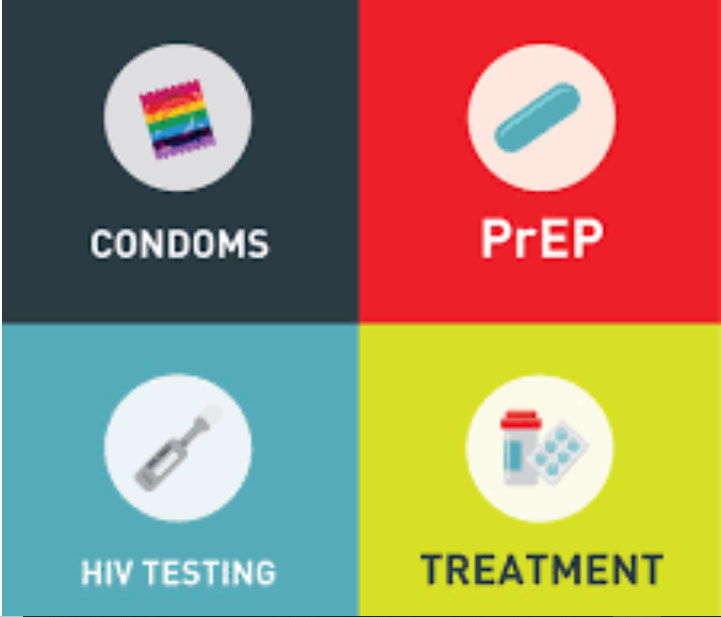
Treatment as prevention
When someone with HIV takes treatment as prescribed, it reduces their viral load, which means it lowers the amount of HIV virus in the blood. If viral load gets extremely low, it's known as an undetectable viral load.
Having an undetectable viral load for 6 months or more means it is not possible to pass the virus on during sex. This is called undetectable=untransmittable (U=U), which can also be referred to as "treatment as prevention".
HIV prevention medicine
If you're HIV negative, you may be able to take pre-exposure prophylaxis (PrEP) medicine to reduce your risk of getting the virus.
PrEP is available for some people who are at high risk of HIV infection – for example, those whose partner is HIV positive.
It's available as a tablet, and is to be taken before you have sex and are exposed to HIV. You'll be able to get the medicine from sexual health clinics