Treatment
There is no cure for HIV infection. It is treated with antiretroviral drugs, which stop the virus from replicating in the body.
Current antiretroviral therapy (ART) does not cure HIV infection but allows a person’s immune system to get stronger. This helps them to fight other infections.
Currently, ART must be taken every day for the rest of a person’s life.
ART lowers the amount of the virus in a person’s body. This stops symptoms and allows people to live a full and healthy life. People living with HIV who are taking ART and who have no evidence of virus in the blood will not spread the virus to their sexual partners.
Pregnant women with HIV should have access to and take ART as soon as possible. This protects the health of the mother and will help prevent HIV from passing to the fetus before birth, or to the baby through breast milk.
Antiretroviral drugs given to people without HIV can prevent the disease.
When given before possible exposures to HIV it is called pre-exposure prophylaxis (PrEP) and when given after an exposure it is called post-exposure prophylaxis (PEP). People can use PrEP or PEP when the risk of contracting HIV is high; people should seek advice from a clinician when thinking about using PrEP or PEP.
Advanced HIV disease remains a persistent problem in the HIV response. WHO is supporting countries to implement the advanced HIV disease package of care to reduce illness and death. Newer HIV medicines and short course treatments for opportunistic infections like cryptococcal meningitis are being developed that may change the way people take ART and prevention medicines, including access to injectable formulations, in
Care and Support
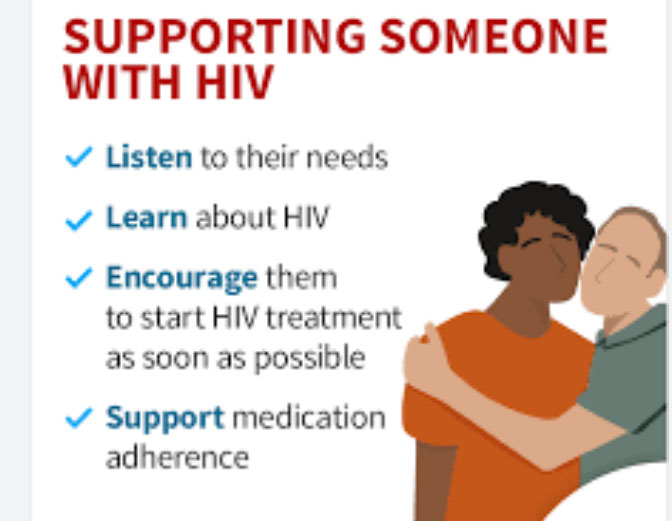
Listen. Being diagnosed with HIV is life-changing news. Listen to your loved one and offer your support. Be available to have open, honest conversations about HIV. Follow the lead of the person who is diagnosed with HIV. They may not want to talk about their diagnosis or may not be ready.
Learn. Educate yourself about HIV: what it is, how it is and is not transmitted, how it is treated, and how people can stay healthy with HIV. Having a solid understanding of HIV is a big step forward in supporting your loved one and reassuring them that HIV is a manageable health condition. HIV.gov’s HIV Basics pages are an excellent source of information to familiarize yourself with HIV. Have these pages available for your newly diagnosed friend if they want them. Knowledge is empowering, but keep in mind that your friend may not want the information right away.
Encourage treatment. Some people who are recently diagnosed may find it hard to take that first step to HIV treatment. But there are great benefits to starting treatment as soon as possible after diagnosis. By getting linked to HIV medical care early, starting treatment with HIV medicine (called antiretroviral therapy or ART), adhering to medication, and staying in care, people with HIV can reduce the amount of HIV in their blood to an undetectable level—a level so low that a standard lab test can’t detect it.
Support medication adherence. It’s important for people with HIV to take their HIV medicine exactly as prescribed. Ask your loved one what you can do to support them in establishing a medication routine and sticking to it. Also ask what other needs they might have and how you can help them stay healthy. Learn more about treatment adherence and get tips for sticking to a treatment plan.