ORPHANS AND VULNERABLE CHILDREN
Every 50 seconds a child dies of an AIDS related illness and another becomes infected with HIV. Each day approximately 3,500 children are infected by, or die from HIV/AIDS (UNAIDS 2000). These figures represent a shocking failure on the part of the global community. Of the estimated 36.1 million people living with HIV/AIDS world-wide, 1.4 million are children. Even if a leveling off of new infections occurs, due to the long incubation period of the virus, mortality rates will not plateau until at least 2020, and the proportion of orphans will remain strikingly high at least through to 2030 (Levine and Foster 2000).
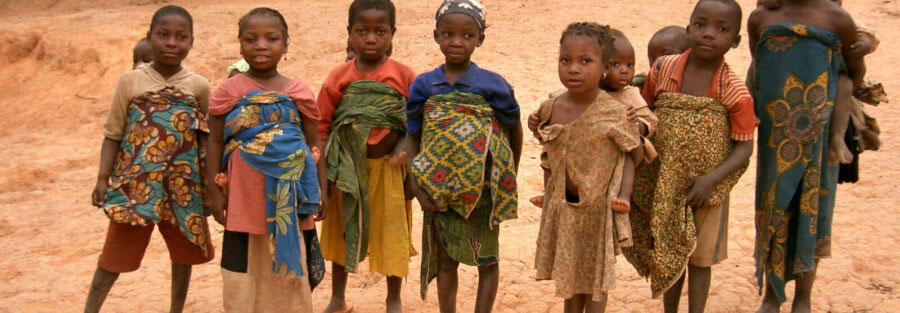
A child who loses one or both parents to AIDS might also be infected with HIV. Orphans often find themselves battling the very disease that took their parents (World Health Organization, & UNICEF, 2010). Orphans are also at greater risk of malnourishment and stunted growth. Young orphans, healthy or not, are often forced into adult roles long before they should be. An eldest child who loses parents to HIV/AIDS might carry the heavy responsibility of caring for brothers and sisters. The loss of one or both parents has serious consequences for a child‟s access to basic necessities such as shelter, food, clothing, health and education. Many Orphans find they need to contribute financially to the household, in some cases driving them to the streets to work, beg or seek food. AIDS orphans often leave school to attend to ill family members, work or to look after young siblings. Many children already function as heads of households and as caregivers and need to be supported as part of the solution.
Our Vision
We envision a world free of the HIV/AIDS pandemic by 2030 and Community economic empowerment to end poverty.
Our Mission
To end HIV/AIDS by providing comprehensive interventions-HIV/AIDS awareness and prevention, treatment and Care, Testing and Counselling, etc and by economically empowering communities, especially, youth and women with skills and vocational training so that they can successfully and sustainably run income generating projects (IGPs) for self-sustenance, thereby alleviating poverty.